

Voting for the Karl Eduard von Schnitzler Prize for Propaganda Journalism
As in 2023, the election of the „Best Journalist“ in the Republic will take place again this year. The organizer is the Stiftung Meinung & Freiheit e.V. (Foundation for Opinion & Freedom) , which advocates for strengthening the fundamental rights to freedom of expression, freedom of the press, and freedom of information, as guaranteed by Article 5 of the Basic Law.

Background information and critique of current reporting
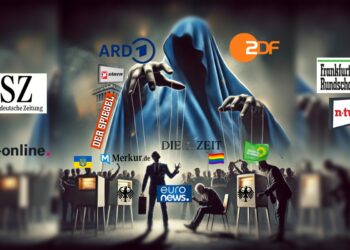
The prize aims to critically examine journalistic practices that, in the foundation’s view, undermine objective reporting. Examples of problematic methods that can lead to a nomination include:
- Fabricated quotes and tweets
- Staged interviews : „Citizens passing by at random“ who later turn out to be party officials.
- Biased expert selection : Preference for individuals with a specific political agenda
- Manipulative reporting : Examples range from overdramatized cries of pain to an allegedly drying Lake Garda.
- Distorted weather reports : Adjustment or omission of data that does not fit the desired narrative.
Final voting has started
Voting for this year’s award winner began in mid-November 2024. The winner will be chosen from the five most nominated candidates.
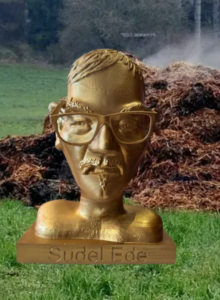
The winner will be announced in February 2025 during a gala ceremony in Frankfurt. The winner will receive the Sudel-Ede Trophy , named after the East German propagandist Karl-Eduard von Schnitzler.
In 2023, Jan Böhmermann was elected with 40% of the votes from approximately 10,000 participants and received the trophy by a large margin.
Nomination criteria
Eligible recipients are nationally known journalists from television, radio, print or online media who excel in fulfilling one or more of the following criteria:
- False reporting : the use of untrue information or the concealment or relativization of true facts.
- Advocacy journalism : Agitation and propaganda in line with a political ideology.
- Instrumentalization of media access : defamation and exclusion of people who do not conform to the preferred ideology.
- Umerziehungsjournalismus: Einflussnahme auf die Bevölkerung zugunsten einer politischen Agenda.
- Vertuschung politischer Skandale: Schutz bestimmter Politiker durch Verschweigen oder Relativieren von Fehltritten.
- Hypermoral und Parteilichkeit: Hervorhebung durch extreme moralische Ansprüche, Parteinahme für die Woke-Ideologie, Klimabewegung oder Gender-Themen.
Kandidaten der aktuellen Wahl
Die nominierten Kandidaten für die Wahl 2024 sind:
- Correctiv / David Schraven
- Georg Restle
- Jan Böhmermann
- Bettina Schausten
- Öffentlich-Rechtlicher Rundfunk (ARD/ZDF)
Teilnahme an der Abstimmung
Jeder deutsche Staatsbürger oder in Deutschland wohnhafte Person kann bis zum 20. Januar 2025 an der Abstimmung teilnehmen. Stimmen Sie ab unter:
https://schnitzler-preis.de/abstimmen/
Debatte um die Bedeutung des Karl-Eduard-von-Schnitzler-Preises
Die Wahl des „Karl-Eduard-von-Schnitzler-Preises für Propaganda-Journalismus“ sorgt auch in diesem Jahr für eine hitzige Debatte. Kritiker sehen in dem Preis eine gezielte Provokation, die journalistische Arbeit diffamiert, während Befürworter ihn als wichtigen Beitrag zur Medienkritik und Meinungsfreiheit verteidigen. Die Stiftung Meinung & Freiheit e.V. betont, dass der Preis nicht dazu diene, Journalisten zu diskreditieren, sondern die Öffentlichkeit für problematische Praktiken im Journalismus zu sensibilisieren.
Die Diskussion um den Preis spiegelt eine größere gesellschaftliche Auseinandersetzung wider: Die Rolle der Medien in einer polarisierten Gesellschaft steht zunehmend unter Druck. Während einige den Journalismus als Hüter der Demokratie betrachten, werfen andere den Medien Haltungsjournalismus und einseitige Berichterstattung vor.
Rückblick auf die Preisträger: Eine Kontroverse in der Öffentlichkeit
Die Verleihung der Sudel-Ede-Trophäe 2023 an Jan Böhmermann hatte für Schlagzeilen gesorgt. Kritiker warfen dem Satiriker vor, häufig die Grenze zwischen Unterhaltung und politischer Beeinflussung zu verwischen. Befürworter seiner Arbeit argumentierten hingegen, dass seine Kritik an politischen und gesellschaftlichen Missständen berechtigt sei.
Mit der erneuten Nominierung prominenter Persönlichkeiten wie Georg Restle und Bettina Schausten zeigt die Stiftung, dass sie bewusst bekannte Journalisten ins Rampenlicht rückt, um die öffentliche Debatte anzuregen. Besonders auffällig ist die Nominierung des Öffentlich-Rechtlichen Rundfunks, was die Diskussion um die Gebührenfinanzierung und die Unabhängigkeit dieser Medien erneut befeuert.
Kritik und Unterstützung des Preises
Kritik:
- Gegner des Preises werfen der Stiftung vor, selbst mit populistischen Mitteln zu arbeiten, indem sie etablierte Journalisten und Medien ins Visier nimmt.
- Some see the awarding of the prize as a deliberate instrumentalization of media attention, which undermines the credibility of reputable media.
Support:
- Supporters argue that the prize is a necessary wake-up call to strengthen journalistic ethics and accountability.
- The opportunity for citizens to participate in the vote is seen as an important means of strengthening freedom of expression.
Background information on the Opinion & Freedom Foundation (Stiftung Meinung & Freiheit eV)
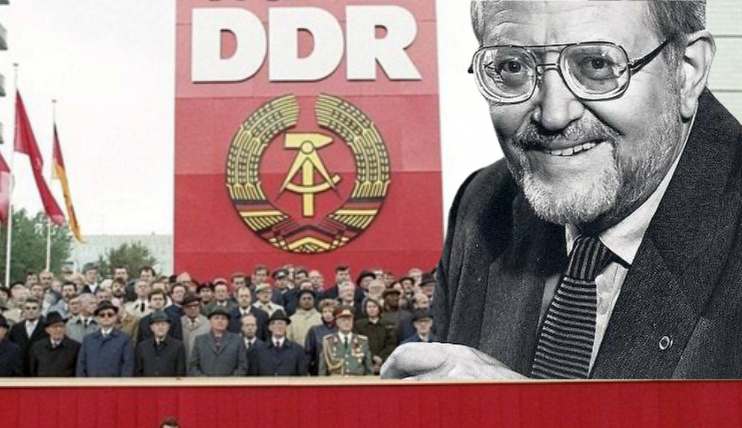
The foundation is dedicated to promoting freedom of expression and critical media work . With this prize, it aims to draw attention to problematic journalistic practices that, in its view, jeopardize neutral reporting. The prize’s name is deliberately provocative: Karl-Eduard von Schnitzler was one of the most notorious propagandists in East Germany and hosted the program „Der schwarze Kanal“ (The Black Channel), which was known for its manipulative reporting.
The future of the prize: More than just provocation?
Whether the Karl Eduard von Schnitzler Prize is perceived in the long term as a constructive instrument of media criticism or merely as a tool for provocation depends on the public and journalistic reaction. However, the increasing attention and the controversial debate show that the prize is achieving its desired effect: it is bringing the discussion about advocacy journalism , fake news , and media responsibility into the public spotlight.
With its online voting option, the foundation offers a platform that involves citizens in the process of media criticism. The gala in February 2025 is expected to generate significant media attention once again and further fuel the public debate.